
Trade-up calculator
Put ten skins of one rarity into a contract, or five Coverts for a knife or gloves, and see every result it can return, the float and exterior you'd get, and whether it pays on average at today's prices.
Inputs
0 of 10Each input's float is scaled to its own range before averaging, as CS2 has done since 2025.
Pick your first input. Every other slot has to match its rarity, so the picker narrows to that rarity once you've chosen.
Or load a ready-made contract from the profitable trade-ups below.
Result
Add ten skins of one rarity, or five Coverts, to see the odds, output floats and expected return.
- Total cost
- —
- Ten inputs
- Expected value
- —
- Average price of the result
- Expected profit
- —
- Expected value minus cost
- Return on cost
- —
- Expected value over cost
Reference prices before fees. Marketplaces keep 1 to 15% when you sell. Prices updated 9 min ago.
Find profitable trade-ups
Ten copies of one Mil-Spec skin at its cheapest exterior (with at least 10 listings, so you can actually buy ten), floats at the middle of that exterior, ranked by expected return on reference prices. Scans refresh every 30 minutes.
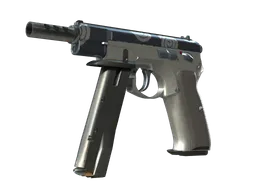
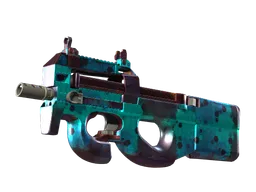
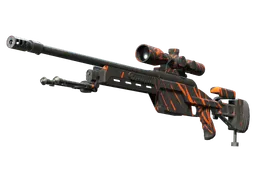
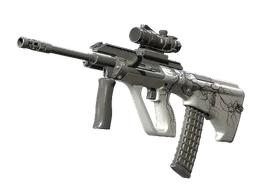
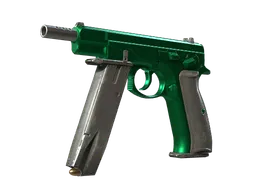
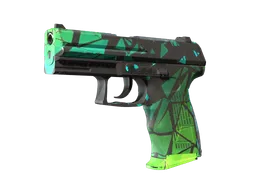
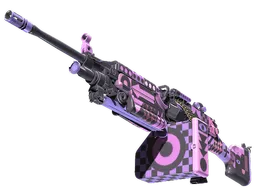
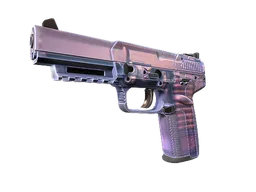
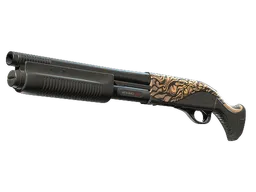
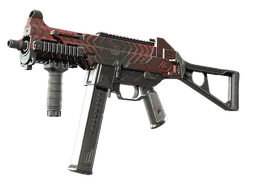
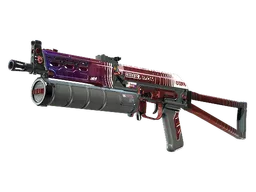
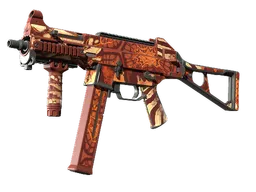
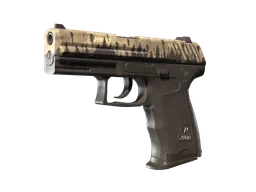
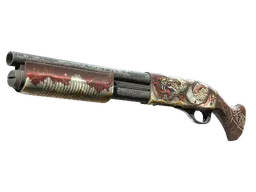
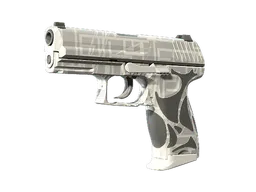
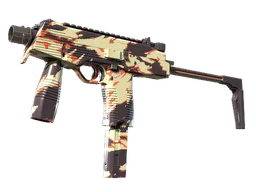
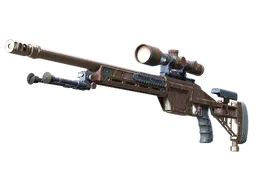
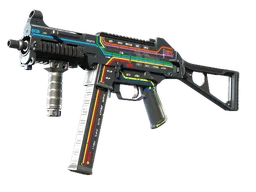
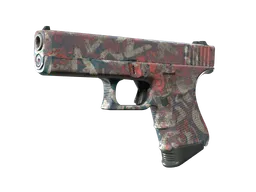
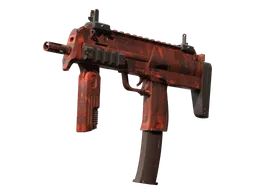
20 of the top 20 pay on average, before fees. Scanned 441 contracts. Thinly traded skins move fast: check live listings before you buy.
How trade-ups work
Ten in, one out
A trade-up contract takes ten weapon skins of the same rarity and gives you back one skin from the next rarity up: Consumer to Industrial, Industrial to Mil-Spec, Mil-Spec to Restricted, Restricted to Classified, or Classified to Covert.
- All ten must be normal, or all ten StatTrak™. StatTrak™ in always means StatTrak™ out.
- Souvenir skins, knives and gloves can't go in.
- Each input's collection needs at least one skin of the next rarity, or there is nothing for it to become.
Five Coverts for a knife or gloves
Since the October 2025 update, five Covert skins trade up into a knife or gloves. Each input is one of five tickets for the knife and glove pool of its collection's case, and every knife or glove in that pool is equally likely. Three inputs from one case give that case's pool a 60% chance.
- Only Coverts from collections with a case can go in; map and operation collections have no knives to give.
- Five StatTrak™ Coverts return a StatTrak™ knife. Gloves have no StatTrak™ versions, so StatTrak™ Coverts from glove cases can't be used.
- The float works as below, on the range of the knife or gloves you get. Vanilla knives have no wear.
Which skin you get
Think of each input as one of ten tickets. The game draws a ticket, then picks one of the next-rarity skins from that ticket's collection, each equally likely. A collection with two possible results splits its ticket in half; one with four splits it four ways.
Say seven inputs come from a collection with two Restricted skins and three from a collection with just one. Each of the first two lands 35% of the time (seven tickets, halved), and the lone skin lands 30%. Crafters use cheap filler skins from small collections to steer the odds toward the skin they want.
What float you get
Since the 2025 update, every input's float is first measured against its own range. A 0.20 float on a skin that runs from 0.00 to 0.40 counts as halfway, or 0.5. The ten positions are averaged and the result lands at the same position in the new skin's range: halfway along a 0.06 to 0.80 skin is 0.43.
Before the update the raw floats were averaged instead, which the pre-2025 setting reproduces. The float decides the exterior, and the exterior often decides most of the price, so low-float inputs are usually worth paying for.
Is it worth it?
Expected value is the average price of the result, weighted by each outcome's chance. When it beats what the ten inputs cost, the contract pays on average, but any single contract can still lose. That is what the chance of profit shows.
Prices here are reference prices across marketplaces. Selling the result costs a fee, from about 1% on some trading sites to 15% on the Steam Market, and thinly traded skins can move before you finish buying inputs.